
The node library
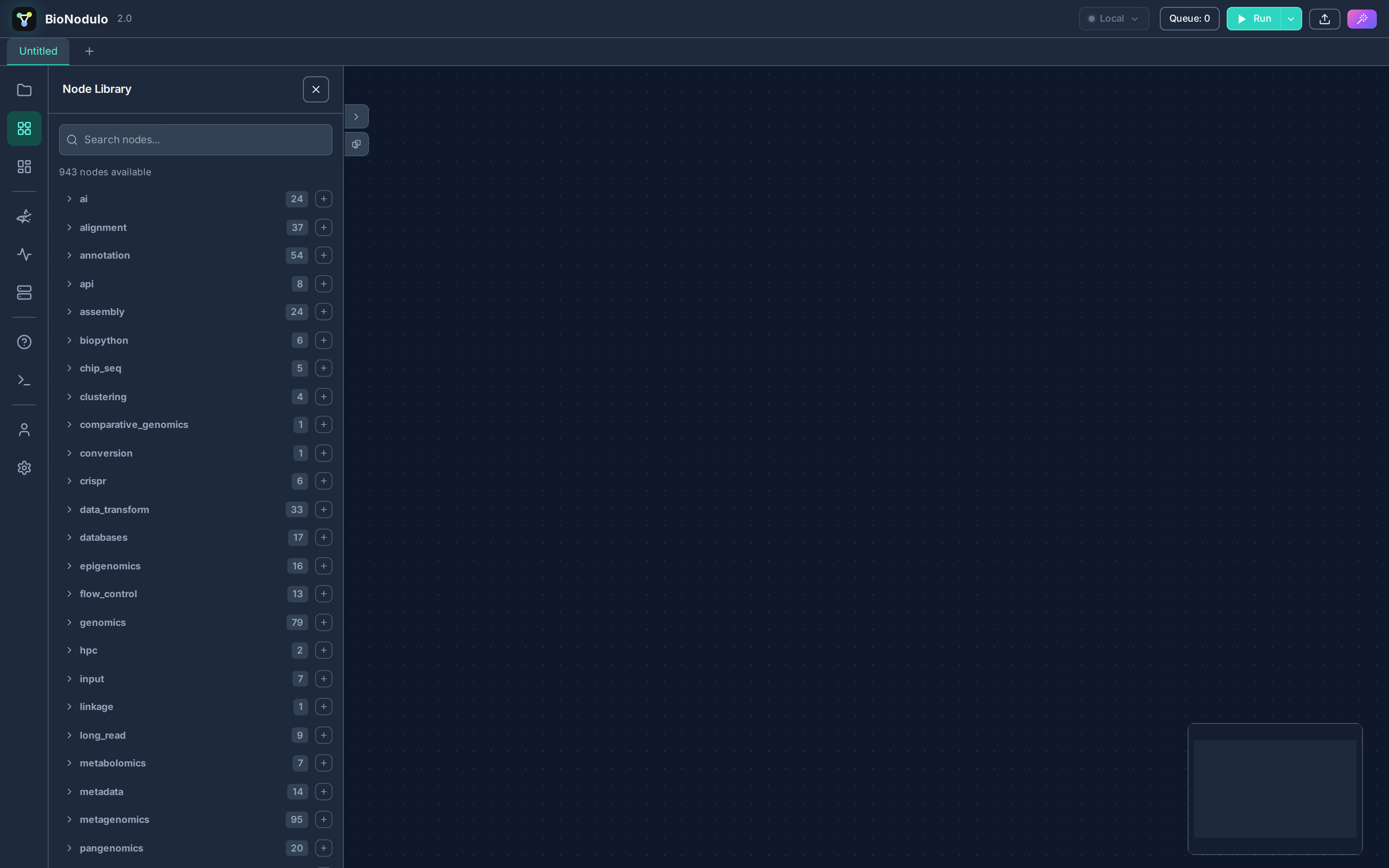
943 built-in nodes, ready to drop on the canvas.
943 built-in nodes across 51 categories, with metadata used to plan environments and make workflow requirements visible.
943 nodes · 51 categories · 22 templates
Built-in tools with visible environments.
943 built-in nodes cover the stack, and each one is inspectable on the canvas before you run anything. BioNodulo provisions supported environments from the tools’ own package metadata, with the requirements in plain sight before the run starts.
- nodes
- 943
- categories
- 51
- bundled templates
- 22
nodes
categories
templates
What’s inside
Visible requirements, reusable workflow pieces.
The library ships today. A hosted registry with versioning and publishing is the roadmap, clearly labeled below.
943 nodes, one palette
QC, alignment, variant calling, single-cell, assembly, metagenomics, proteomics, methylation, spatial, and more. Search the palette and drop the node you need onto the canvas.
51 categories
Nodes are organized into 51 categories spanning the whole stack, so you can find the right tool by domain instead of memorizing package names.
Per-node dependency metadata
Nodes carry package metadata that BioNodulo uses to plan and provision supported environments. Contract and execution evidence remains visible as the catalog is certified.
Custom nodes
Load your own custom nodes from configured local directories to extend the library with lab-specific tools and wrap scripts you already trust.
Bidirectional converters
Import and export workflows to and from SnakeMake, NextFlow, CWL, Galaxy, so a BioNodulo graph doesn't lock you in and existing pipelines can come along.
Hosted registry
A public/private registry service for discovering, versioning, and publishing nodes, with a trust and sandboxing policy, is the direction. It is not yet a live product.

Build from visible, reusable pieces.
Open a template, search 943 built-in nodes, and inspect the environment plan before execution. Load your own custom nodes to make the library yours.